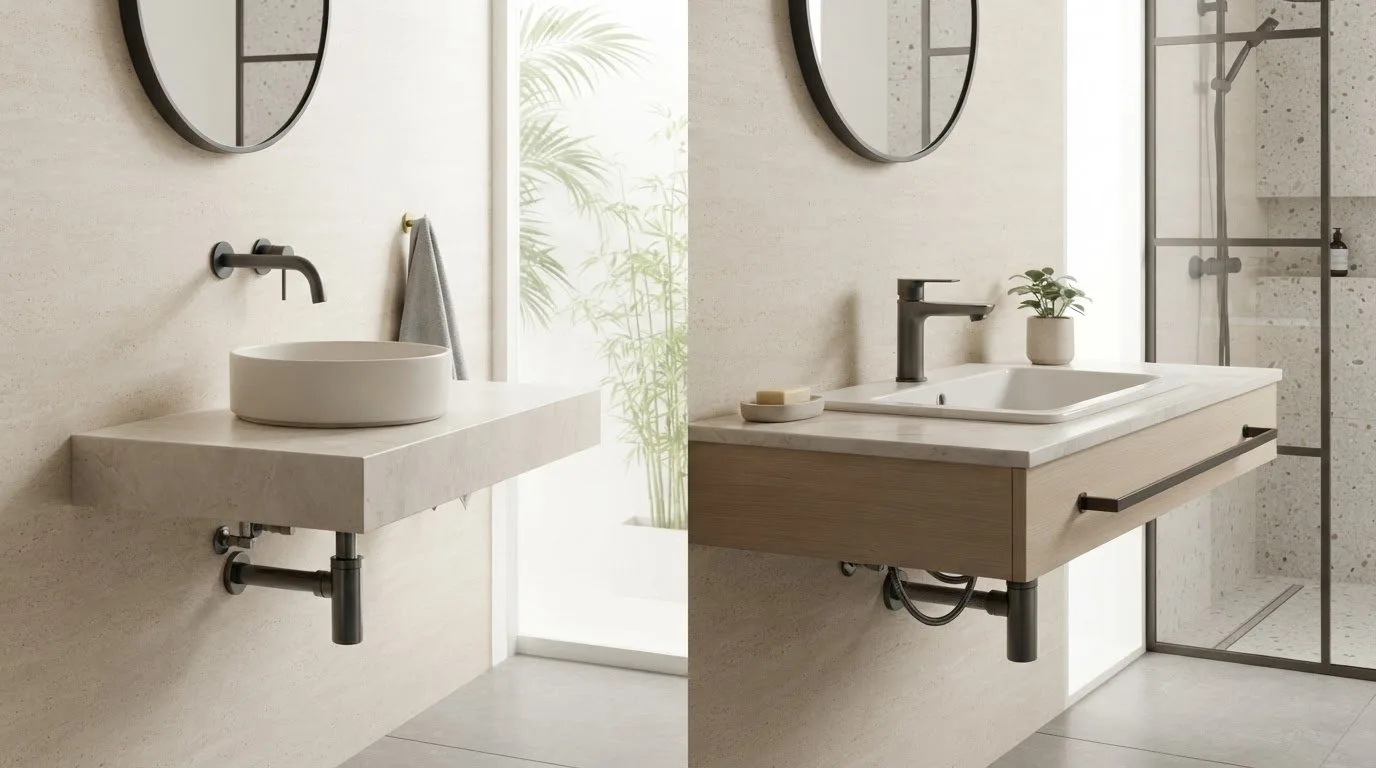
The tap that looks more modern isn’t automatically the right one for your bathroom. A bib tap may suit a single-supply setup, while a mixer tap is designed to combine hot and cold water through one spout. The right choice depends on your fixture, plumbing and how you plan to use the tap.
If product descriptions have left you unsure what a bib tap is or whether one will fit your basin, start with the basics: the name alone doesn’t tell you how a particular model connects or mounts. Choosing a tap that doesn’t match your fixture or existing plumbing can mean extra work before it can be used.
This guide compares how bib taps and mixer taps work, where each may be appropriate, and what to check before buying. Look at your basin’s tap-hole arrangement, the available water supplies and whether the plumbing is set up for a wall-mounted fitting. Then check the product specifications and ask a supplier or qualified installer to confirm compatibility. These steps make it easier to compare options based on fit and function, not appearance alone.
Key Takeaways
- A bib tap and a mixer tap handle water differently, so check how each model connects and operates.
- Match the tap to the fixture and the job it needs to do, rather than choosing by appearance alone.
- Check the existing water supplies and basin-hole layout before comparing products.
- Review the exact model’s specifications and ask a qualified installer or supplier to check plumbing compatibility.
- Akron Malaysia offers bathroom fixtures, including faucets. Ask about available options and their specifications for your setup.
What Is a Bib Tap, and How Does It Differ from a Mixer Tap?
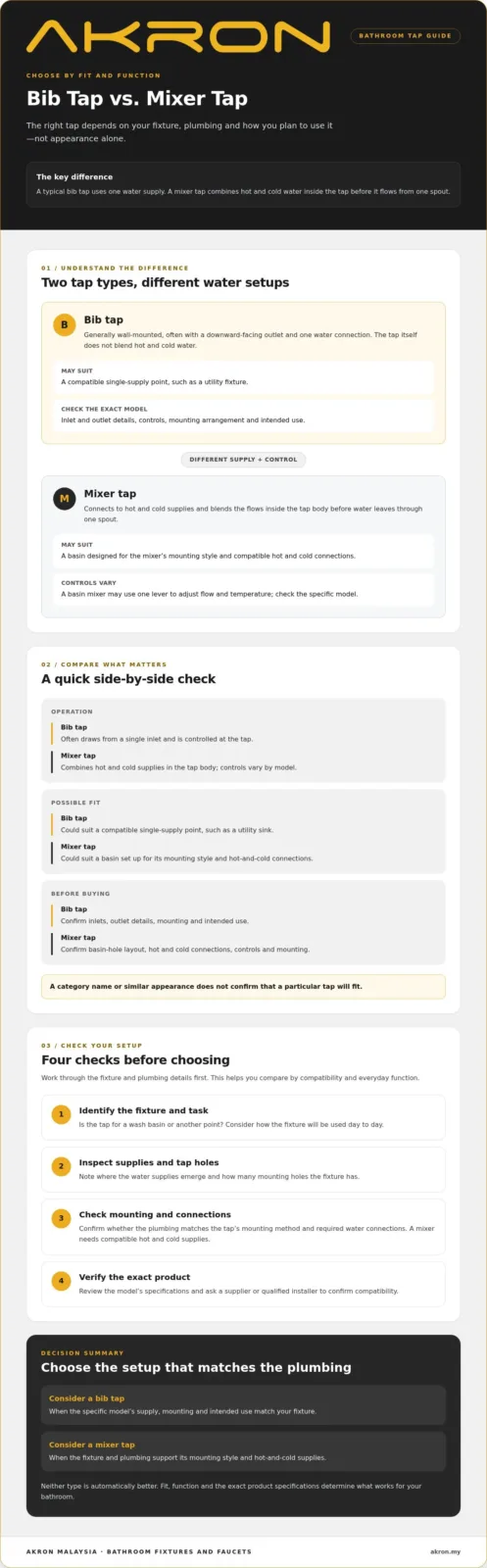
Quick definition: A bib tap is generally a wall-mounted tap with a downward-facing outlet, often supplied by one water connection. A mixer tap takes hot and cold water supplies and blends them inside the tap before water flows from a single spout. The main difference is how the water is supplied and controlled, not just the tap’s appearance.
Tap configurations vary, so treat these descriptions as a starting point rather than a specification for every model. For an overview of tap terminology, including bibcocks and mixer taps, see Tap (valve). Before choosing, check the individual product description for its inlets, controls, mounting style and intended use.
How does a bib tap work?
A typical wall-mounted bib tap connects to one water supply. Opening its handle or valve lets water flow through the outlet, which commonly points down. The tap itself doesn’t blend hot and cold water. A single-supply model may suit a compatible utility point, but bib taps can differ in their connections and intended uses. Check the specifications for the exact model rather than relying on the product name.
Controls and outlet designs also vary. Check whether the tap uses a turning handle or another control, where the outlet will sit in relation to the fixture, and how the tap connects to the water supply. These details help determine whether it will work with your existing setup.
How does a mixer tap differ?
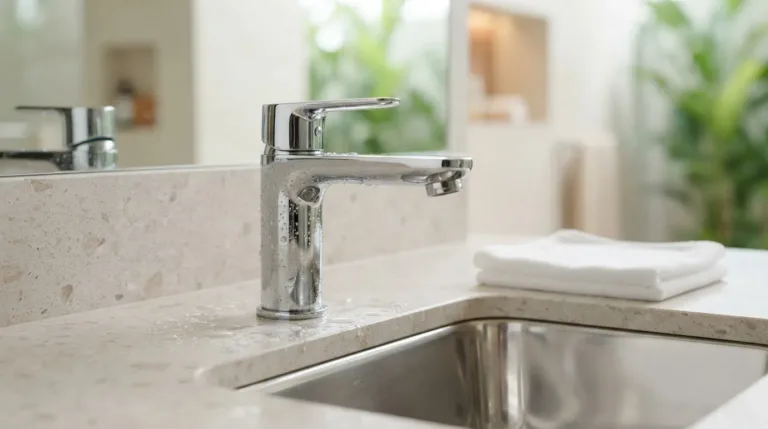
A mixer tap connects to hot and cold supplies and combines the flows inside the tap body before water comes out of one spout. A basin mixer may use a single lever to adjust flow and temperature, but controls vary by model. Unlike a typical single-supply bib tap, a mixer needs compatible hot and cold supplies.
Neither type is automatically the better choice. A bib tap may suit a compatible single-supply point, while a mixer may suit a basin where you want to adjust the water temperature at the tap. Compare the product’s documented connections and controls with your existing setup. Akron Malaysia offers faucets as part of its bathroom fixture range. Ask Akron or a local dealer about available options and the specifications for the tap you are considering.
Bib Tap vs. Mixer Tap: Compare Their Everyday Use
Start with the fixture and plumbing, then compare how each tap operates. A category name gives you a general idea, but the product documentation tells you which connections, mounting method and uses apply to a specific model.
| What to compare | Bib tap | Mixer tap |
|---|---|---|
| Operation | Often draws water from a single inlet and is controlled at the tap. | Combines hot and cold supplies in the tap body; controls vary by model. |
| Possible use | May suit a compatible single-supply point, such as a utility fixture. | May suit a basin designed for its mounting style and connected to compatible hot and cold supplies. |
| Check before buying | Inlet and outlet details, mounting arrangement and intended use. | Tap-hole layout, hot and cold connections, control style and mounting arrangement. |
Which tap type suits a basin or other fixture?
Suitability depends on the fixture and the specific tap design. For example, a wall-mounted bib tap might be considered for a utility sink with a matching supply point. A mixer might suit a wash basin designed for its mounting style and water connections. These are examples, not a guarantee of fit. Check the manufacturer’s documentation and ask a qualified installer to assess how the tap will connect to your setup.
What should you compare before choosing?
Compare the control style, mounting method, intended use and required connections. Then check whether your plumbing arrangement matches the product specifications. A mixer needs compatible hot and cold supplies, while bib tap configurations can differ from one model to another. Similar looks or labels don’t establish that a tap will fit.
For a bathroom refresh, consider the fixture as a whole and check the tap’s exact configuration before buying. You can browse Akron’s bathroom fixture range, which includes faucets, and ask Akron or a local dealer about the specifications of options that may suit your setup.
How to Choose a Bib Tap for Your Bathroom Setup
Start with the fixture and the task it needs to handle. Next, check your existing plumbing before settling on a tap style. This process helps you compare options and identify questions to resolve before buying.
- 1. Identify the fixture and task. Decide whether the tap is for a wash basin or another point, and consider how the fixture will be used day to day.
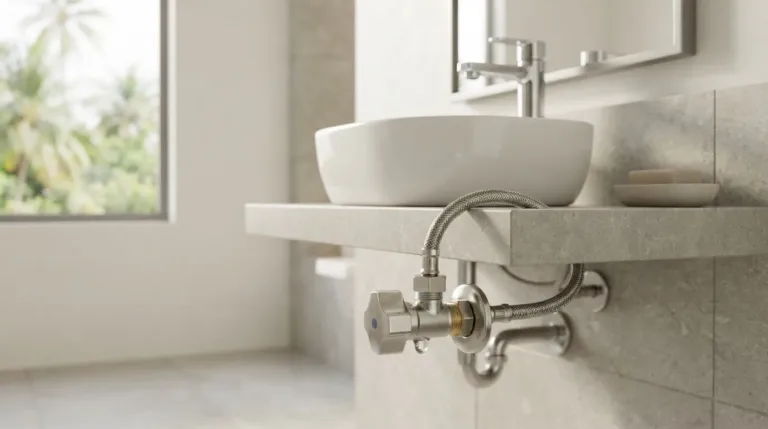
- 2. Inspect the existing tap points. Note where the water supplies emerge and how many mounting holes the fixture has. A wall-mounted fitting, for example, needs a suitable connection and position.
- 3. Compare product documentation. Check the exact tap’s stated connections, mounting method, controls and intended use. A product photo or category name alone can’t establish compatibility.
- 4. Consider the household routine. Think about who will use the fixture and which control arrangement is practical. Use the product details to compare how each option operates and what care it requires.
- 5. Confirm the match before purchase. Share details about the fixture and plumbing with a qualified installer or supplier. Ask them to check that the selected tap’s requirements suit your bathroom.
For a bib tap, pay close attention to its documented inlet, mounting arrangement and intended use. These details vary by product, so don’t assume a tap will fit because its name sounds suitable. If the product description leaves key details unclear, ask the supplier for the specifications and have an installer check the connection requirements before you decide.
If you’re planning a wider bathroom refresh, Akron’s sanitary ware selection guide and water closet selection guide offer broader planning ideas. You can also explore Akron’s bathroom fixture range and ask Akron or a local dealer to clarify the specifications of a tap you are considering.
What to Confirm Before Buying a Bib Tap
Before choosing a bib tap, check that its documented configuration suits both the fixture and the existing plumbing. Use this checklist when speaking with a supplier or qualified installer:
- Fixture fit: Is the tap intended for your fixture, and does its mounting method match the available tap points or holes?
- Water connections: What inlets does the tap require, and do they match your existing supply points?
- Product details: Can the supplier provide documentation for the exact model, including its controls, mounting arrangement and intended use?
- Installation responsibility: Who will handle installation, and should an installer check the existing plumbing before you purchase?
- Alternative options: If you need hot and cold water from one spout, is there a mixer tap that suits the fixture and supply arrangement?
Questions to ask a supplier or installer
Describe the fixture and show where its current water connections are. Ask which tap configurations may suit it, what the selected product requires, and whether the plumbing or mounting points may need to change. Request documentation for the specific model rather than relying on a general category description. Also clarify who will arrange installation. Akron sells bathroom fixtures, including faucets. Contact the company or a local dealer to ask about available tap options and product details; arrange installation separately with a qualified installer.
When a mixer tap may be worth considering
A mixer may be worth comparing if your fixture has compatible hot and cold supplies and you want to control the blended flow at one tap. If the setup is designed for a single supply, a mixer may not suit it without changes. Check the selected product’s requirements and ask a qualified installer to assess compatibility before buying. Neither tap type is right for every bathroom.
To compare available bathroom fixtures, explore the Akron product range. You can also contact Akron about bathroom fixtures or ask a local dealer to help clarify the details of a tap you’re considering.
Choose the Tap That Fits Your Bathroom
The right choice depends on the fixture and its plumbing, not just the tap’s name or appearance. Bib taps and mixer taps work differently, so check the intended use, mounting arrangement and water connections before choosing. Review the specific product documentation and ask a supplier or qualified installer to assess compatibility.
Akron Malaysia offers bathroom fixtures, including faucets. You can purchase directly or through local dealers across Malaysia. Ask about the product specifications and confirm that a tap suits your setup before selecting it.
Ready to compare bathroom fixture options? Explore Akron’s bathroom fixture range and contact Akron or a local dealer for product guidance.
Frequently Asked Questions
What is a bib tap?
A bib tap is commonly a wall-mounted tap with a downward-facing outlet, often supplied by one water connection. It’s typically controlled at the tap, but the inlet, outlet and handle arrangement can vary by product. Check the manufacturer’s description for the intended use and connection details. The name alone doesn’t establish whether a particular model will suit your fixture or plumbing.
What is the difference between a bib tap and a mixer tap?
A bib tap generally delivers water from a single supply, while a mixer tap combines hot and cold water inside the tap body before sending it through one spout. Mixer controls differ by model, and bib tap configurations also vary. The practical difference is how water is supplied and controlled. Compare the product’s documented connections and controls rather than assuming its style or label tells you everything you need to know.
Can a bib tap be used with a bathroom basin?
A bib tap may suit a basin only if the basin, tap mounting arrangement and water connections are compatible with that specific model. Check whether the tap is designed for wall or basin mounting, where its outlet will sit, and how it connects to the water supply. Don’t assume a bib tap will fit a standard wash basin. Ask the supplier or a qualified installer to check the match before purchase.
Is a bib tap suitable for every bathroom plumbing setup?
No. Plumbing layouts and tap configurations vary, so a bib tap won’t necessarily suit every bathroom. Your setup may have different supply points, mounting positions or connection requirements from those specified for the tap. Compare the product documentation with the existing plumbing, and ask a qualified installer about any uncertainties. This can help identify a mismatch before buying and clarify whether another tap type may suit the fixture better.
How do I choose between a bib tap and a mixer tap?
Choose based on the fixture, the task and the available water supplies. A bib tap may suit a compatible single-supply point; a mixer may be worth considering if the fixture has compatible hot and cold connections and you want blended water from one spout. Compare mounting, controls and documented requirements for each product. If the fit isn’t clear, ask a supplier or qualified installer to review your setup.
What should I check before buying a bib tap?
Check the intended fixture, mounting method, number and position of tap points, inlet connections, outlet direction and control arrangement. Read the documentation for the specific product and ask the supplier to help check compatibility with your plumbing. Clarify whether an installer should inspect the setup and who will handle installation. Akron offers faucets as part of its bathroom fixture range, so contact the company or a local dealer to ask about available options and their specifications.