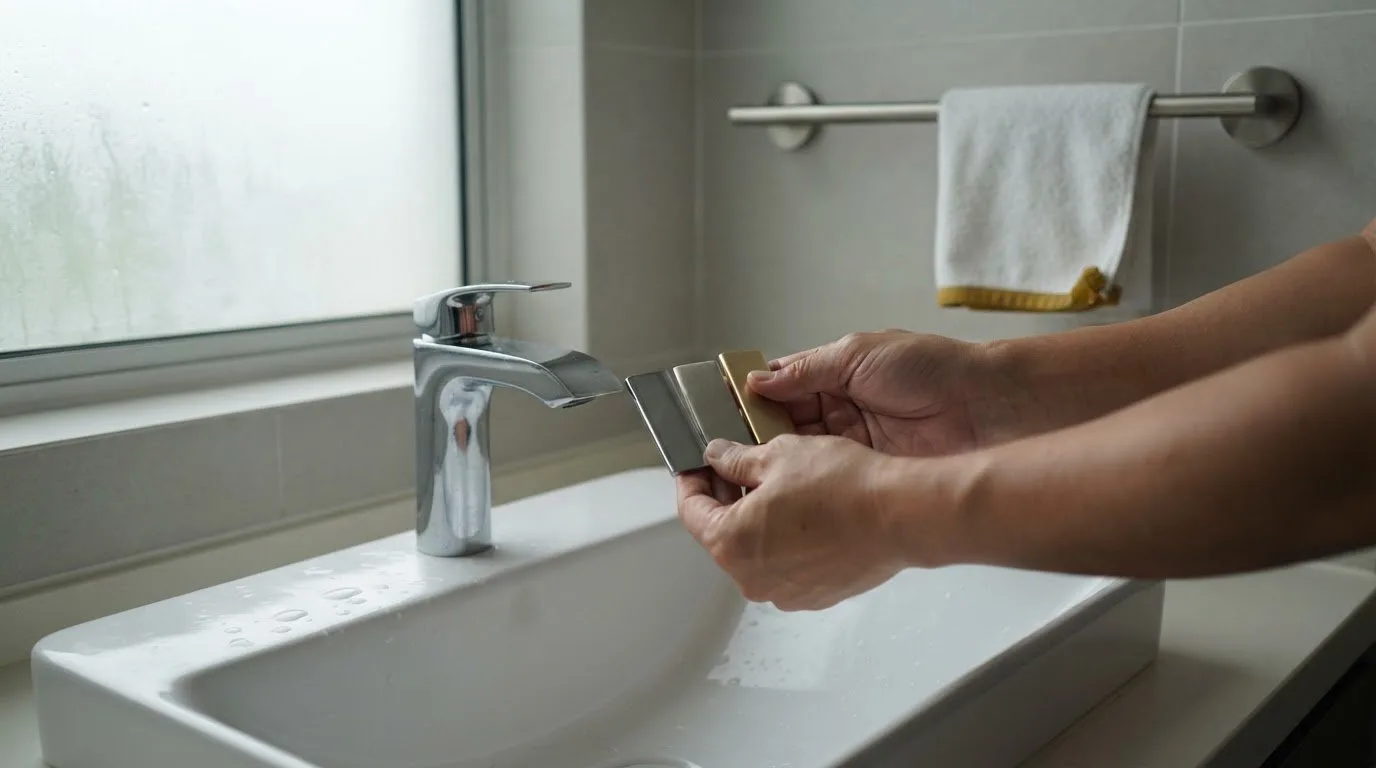
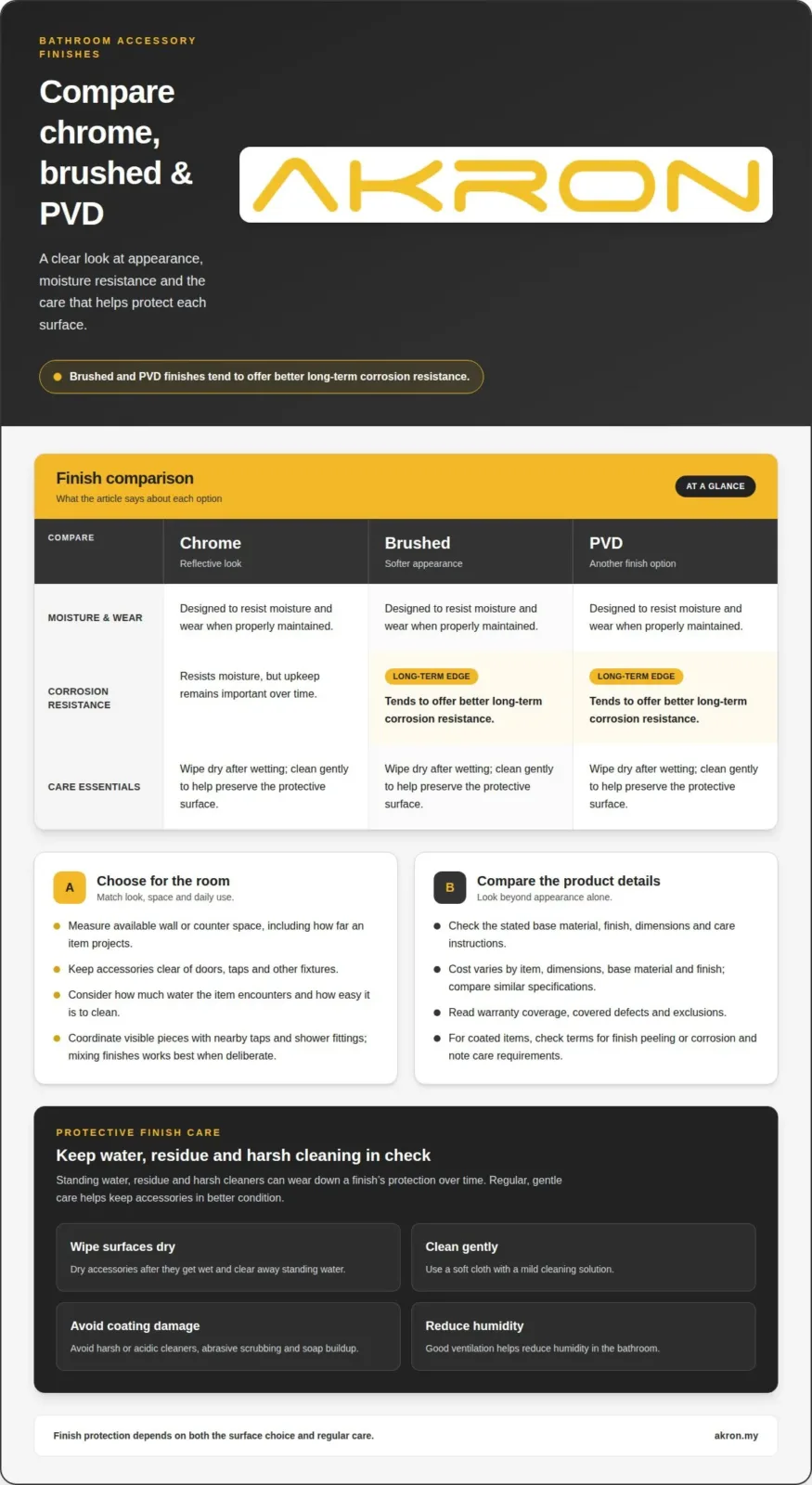
For rust resistant bathroom accessories, brushed or PVD finishes are strong choices for humid bathrooms because they tend to offer better long-term corrosion resistance when properly maintained. Chrome is also designed to resist moisture and wear, so your best pick depends on the look you want and how much upkeep you’re ready to give it.
A finish may look flawless at first, but standing water, residue, and harsh cleaners can wear down its protection over time. Choose a surface suited to your bathroom, then help maintain it by wiping it dry and cleaning it gently.
This guide will help you compare chrome, brushed and PVD finishes, understand what causes corrosion, and weigh SUS304 stainless steel against plated brass. You’ll also find practical care tips for keeping bathroom accessories in better condition, from improving ventilation to spotting early signs of corrosion. With a clearer view of both material and finish, you can make a choice that suits your bathroom’s style and everyday routine.
Key Takeaways
- Match accessory dimensions to the available wall or counter space, then choose a finish that suits your bathroom’s look and care routine.
- Compare chrome, brushed and PVD finishes for their appearance and moisture resistance, and keep surfaces dry to help protect them.
- Identify the accessory types you use most so you can prioritize practical placement and a cohesive finish.
- Reduce corrosion risks by improving ventilation, wiping away standing water and avoiding harsh cleaners or abrasive scrubbing.
- Weigh SUS304 stainless steel against plated brass, and consider how the base material and protective surface affect durability.
1. What’s included in bathroom accessories?
Choosing rust resistant bathroom accessories starts with two practical considerations: size and finish. A towel rail, robe hook, toilet paper holder, or soap dish needs to fit its intended space. In a humid bathroom, the surface matters too. Chrome, brushed, and PVD finishes are designed to resist moisture and wear when properly maintained. Brushed and PVD finishes tend to offer better long-term corrosion resistance.
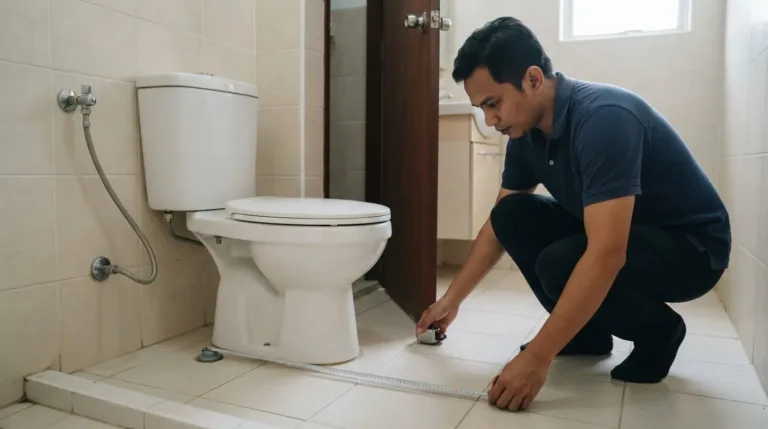
Measure before choosing. Check the available wall width for a towel rail, the clearance beside the toilet for a paper holder, and the basin area for a soap dish. Compare the product’s stated dimensions with the available space, including how far it projects from the wall. A slim hook may suit a narrow wall, while a longer rail needs room for towels to hang clear of wet surfaces. Use the same measuring approach for each accessory.
Bathroom accessories can include towel rails, hooks, paper holders, soap dishes, and shelves. Placement affects how useful they are day to day. A hook near the shower can hold a robe, while a shelf beside the basin keeps soap within reach. Consider who will use each item and for what before choosing its size. Keep accessories clear of doors, taps, and other fixtures so they’re easy to reach and clean.
There isn’t one standard price for rust resistant accessories in Malaysia. Cost varies by item, dimensions, base material, and finish. Compare products with similar specifications rather than judging by appearance alone.
In Malaysia, bathroom accessories are available through bathroom-fixture retailers, showrooms, and local dealers. Before choosing, compare the stated material, finish, dimensions, and care instructions. These details help you find an item that suits your space and cleaning routine.
Read the written warranty terms to understand the coverage period, covered defects, and exclusions. For coated accessories, check whether the terms address finish peeling or corrosion, and note any care requirements. Clear terms explain what protection applies to that particular item.
Protective finishes help limit moisture and wear, but regular care still matters. Chrome has a reflective look, brushed surfaces appear softer, and PVD is another finish option. For a coordinated look, choose one finish for visible pieces such as a towel rail and paper holder, then compare it with nearby taps and shower fittings. Matching finishes create consistency; mixing them works best when the contrast looks deliberate.
For upkeep, wipe accessories dry after they get wet and use a soft cloth with a mild cleaning solution. Avoid harsh or acidic cleaners, abrasive scrubbing, and soap buildup, which can weaken protective coatings. Good ventilation also helps reduce humidity. These habits help preserve the finish and keep accessories in good condition.
2. Bathroom accessory types
Choose accessories based on their purpose, then consider how much moisture each one encounters. A towel ring beside the wash basin serves a different routine from a rail near the shower. Hooks, holders, shelves, and baskets also collect water differently, affecting their placement, cleaning access, and exposure. Start by mapping daily routines, from drying hands to storing shower essentials.
- Towel rails and rings: Rails spread towels out for drying, while rings keep hand towels close to the basin. Leave enough room for fabric to hang freely instead of resting against a damp wall.
- Robe and towel hooks: Hooks suit compact spaces and quick access. Position them where wet fabric won’t brush against painted walls or remain folded in a corner.
- Toilet paper holders: Choose a position that’s easy to reach from the toilet. A covered holder can shield the roll from direct splashes, while an open design is simple to reload.
- Soap dishes and dispensers: A dish should let excess water drain rather than hold a puddle around the soap. A dispenser keeps liquid soap contained, with the pump accessible for regular wiping.
- Shower shelves and baskets: These hold bottles and bathing products within reach. Choose a layout that doesn’t trap water behind containers or block access to the shower fittings.
- Toilet brushes and holders: The holder keeps the brush contained between uses. Place it where water can drain and where the holder remains accessible for cleaning.
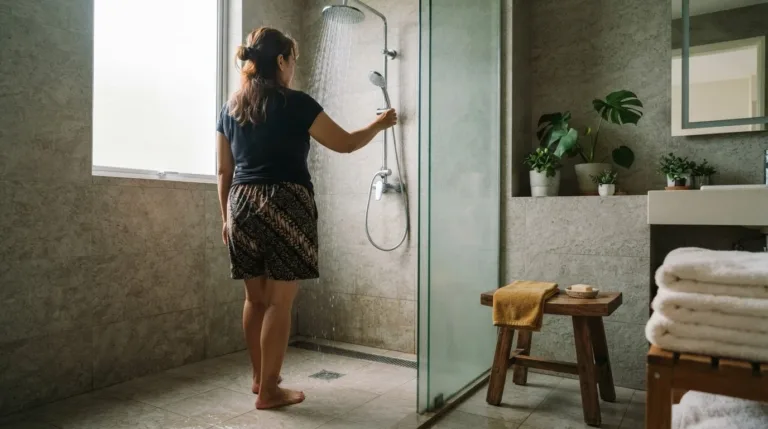
Next, group accessories by how much water they encounter. A towel ring beside a basin usually gets occasional splashes. A shower basket sits in a wetter area and may collect water around its edges. This distinction helps you prioritize finishes and check the most exposed areas during cleaning. In a shared bathroom, consider whether everyone can comfortably reach the hooks, shelves, and holders.
Coordinating accessories doesn’t mean every item has to match exactly. Pair a brushed towel rail with a similar-toned hook, for instance, and use a contrasting colour for the soap dispenser. Repeating one finish on the shower basket and toilet paper holder can also connect separate areas. Choose a consistent visual detail, such as finish or shape, before mixing styles.
In a compact Malaysian bathroom, prioritize accessories that meet clear daily needs. A towel ring, paper holder, and shower shelf may be more useful than storage that crowds the walls. In a larger bathroom, a rail and separate hooks can give towels and robes distinct places. Browse bathroom accessory options and consider which types suit your layout and routine.
3. Causes of bathroom rust and corrosion
Rust forms when iron-containing metal meets water and oxygen. In a bathroom, water left on a towel rail or hook can keep the surface damp. Over time, oxidation may cause reddish-brown marks or damage. Corrosion is a broader term for metal deterioration; rust specifically affects iron-containing materials. A protective coating can slow exposure, but scratches or worn areas may leave the base metal vulnerable.
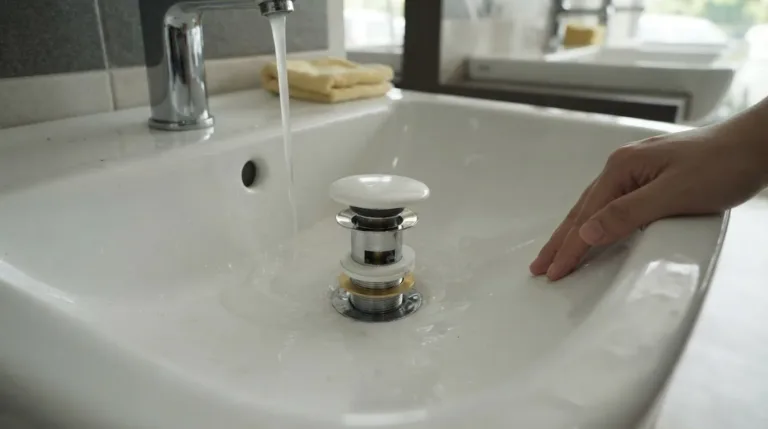
Standing water stays in contact with a surface longer than occasional splashes. Check the base of a soap dish, the underside of a shower shelf, and the joints around a towel rail. These areas can trap droplets after use. If water remains, the surface has less time to dry between showers. Poor ventilation can prolong damp conditions, so air movement helps reduce humidity and slow corrosion.
Cleaning habits can also weaken a finish. Harsh or acidic products may damage protective coatings, while abrasive pads can leave fine scratches. Scrubbing a chrome holder with a rough scouring pad, for example, can wear its surface. Soap and personal-care residue can also build up on shelves and rails and affect coatings if left in place. Use a soft cloth and mild cleaner instead of strong chemicals or vigorous scrubbing.
Damage often starts at edges, joints, or contact points. A chipped coating near a screw, for example, can expose the material beneath. Repeated contact with a metal razor or bottle can also mark a shelf’s finish. Once the protective layer is breached, water can reach the underlying material more easily. During routine cleaning, inspect corners, seams, and frequently handled areas.
- Check for early signs: Small discoloured spots or dull patches can signal surface deterioration.
- Remove moisture: Wipe accessories dry after water exposure, especially around joints and shelf edges.
- Clear residue: Clean soap deposits gently before they accumulate on the finish.
- Protect the surface: Avoid abrasive materials that can scratch or weaken a coating.
Prevention is more effective than correction. Some rust marks may be removable, but cleaning cannot restore a coating that has worn away. If a spot appears, clean it gently and inspect the surrounding finish. Avoid scraping the mark, as that can cause more surface damage. A recurring patch near a joint may indicate trapped water or a coating problem rather than dirt alone.
Material and maintenance work together. Even a well-made accessory can be affected by constant moisture without proper care. In humid bathrooms, reduce water retention, prevent residue buildup, and preserve the protective surface. These habits address common causes of corrosion before visible damage spreads.
4. SUS304 stainless steel and plated brass
For a humid bathroom, compare the material beneath the finish, not just its colour. SUS304 stainless steel and plated brass are two common choices to evaluate. Solid brass and stainless steel are more resistant to corrosion than lower-quality alloys or coated materials. However, the exact construction matters: a brass accessory with a plated surface depends on that outer layer remaining intact.
SUS304 is a stainless steel grade used for bathroom accessories. Its corrosion resistance comes from the steel itself, rather than relying only on a decorative surface coating. That makes it a practical option for items exposed to frequent moisture, such as a shower shelf or towel rail. Still, stainless steel isn’t immune to damage. Water left standing on any accessory, harsh cleaners, or rough scrubbing can affect its surface over time.
Plated brass has a brass base covered by a surface finish. The plating creates the visible appearance, such as a chrome-like or coloured look. Its condition matters: scratches, worn edges, or damage around joints can expose the material underneath. For a soap dish that gets regular splashes, clean the surface gently and avoid abrasive pads that could wear the plating.
Use these steps to compare product descriptions and construction:
- Identify the base material: Look for “SUS304 stainless steel” or “brass,” rather than relying on a finish name alone.
- Separate material from finish: A colour or surface label describes appearance; it doesn’t identify the base metal.
- Consider placement: Prioritize material and surface condition for a shower basket or shelf with frequent water exposure.
- Check care needs: Choose a finish you can maintain with gentle cleaning and regular drying.
Be cautious with inexpensive, unplated steel. It can pit and rust, making it less suitable for a damp bathroom. A glossy appearance alone doesn’t tell you what the accessory is made of or how well it resists corrosion. Two chrome-coloured hooks, for example, may have different base metals. Compare the full material description, then consider where each hook will sit and how often it gets wet.
For a balanced decision, match the material to the accessory’s exposure and your care routine. SUS304 offers corrosion resistance through its stainless-steel construction. Plated brass offers a brass base with a finished exterior, so preserving that exterior matters. Either choice still benefits from sensible cleaning and drying. Explore bathroom accessory options and compare their stated materials as you plan a humid-bathroom refresh.
Akron Malaysia: Water Closet
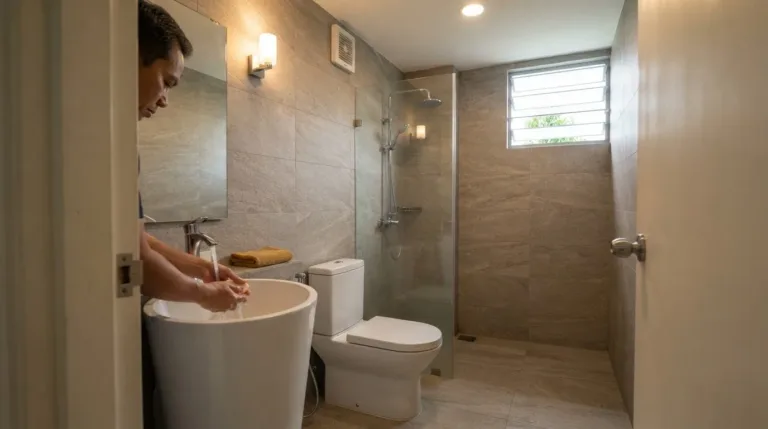
Akron Malaysia offers Water Closets for bathroom refreshes. When choosing rust resistant bathroom accessories, consider how the toilet, basin, faucet, and shower will work together in the space. Coordinating these fixtures with your chosen accessory finish can create a cohesive look while keeping practical use in mind.
Explore Akron Malaysia’s Water Closet, Wash Basin, Faucet, and Shower offerings as you plan your bathroom. For product details or help with your next step, contact Akron Malaysia or visit akron.my.
Make your bathroom choices work together
Your bathroom should feel like a considered space, not a collection of separate decisions. Before choosing a finish, picture how it will look with your wall colour and fittings, and consider your daily routine. A practical choice is one you’ll enjoy seeing and can maintain with the care your household can manage.
Note what matters most to you: a consistent look, easy cleaning, or a surface suited to frequent moisture. That priority can guide your choice of rust resistant bathroom accessories without making the process complicated. Think beyond the first impression: the right accessories should feel natural in your space every day.
If you’re planning a bathroom update, Akron Malaysia can be a next step for exploring bathroom products that suit your space. Contact Akron Malaysia to discuss your bathroom plans. A thoughtful choice today can help make your bathroom feel more personal and practical.
Frequently Asked Questions
What finish should I choose?
Choose a finish that suits your bathroom fittings and the upkeep you can manage. Repeat a brushed finish across visible accessories for a coordinated look, or use one contrasting finish as an accent. Consider the lighting too: reflective chrome catches more light, while brushed surfaces create a softer effect. Compare the finish with your faucet before choosing accessories for the room.
What’s included in bathroom accessories?
Bathroom accessories support storage, hanging, and everyday routines. Common examples include towel rails, robe hooks, toilet paper holders, soap dishes, shower shelves, and toilet brush holders. Plan by walking through your routine: identify where you need to hang a towel, store shower products, or reach toilet paper. Then choose only the pieces that suit your layout.
Which Materials Resist Corrosion Best?
Stainless steel and solid brass offer stronger corrosion resistance than lower-quality alloys or coated materials. The base material forms the accessory’s structure, while the surface finish may add protection or colour. A shelf beside a shower, for example, encounters more water than a hook outside the shower area. Prioritize the wetter location when comparing material descriptions.
What materials make bathroom accessories rust resistant?
Stainless steel resists corrosion through its material composition, and solid brass is another corrosion-resistant option. A protective finish can also help limit moisture and wear, but it doesn’t make all base materials equal. Read the product description for the underlying metal, not just the finish name. Avoid inexpensive, unplated steel, which can pit and rust in bathroom conditions.
Are 304 or 316 stainless steel bathroom accessories better for rust resistance?
316 stainless steel generally offers greater corrosion resistance than 304, especially in environments with salt exposure. For a typical indoor bathroom, SUS304 is a practical corrosion-resistant choice. Consider where the accessory will sit and how much moisture or salt it encounters. Choose a product whose steel grade is clearly identified, rather than assuming that a stainless appearance proves its exact composition.
Which rust-resistant bathroom accessories are best for humid bathrooms?
Choose accessories made from stainless steel or solid brass, prioritizing those in the wettest areas. Give a shower shelf or basket particular attention because it holds products and receives direct splashes. Select a protective finish that suits your preferred look, and choose a design that’s easy to wipe around. Avoid unplated steel, and consider how each accessory fits your household’s daily routine.