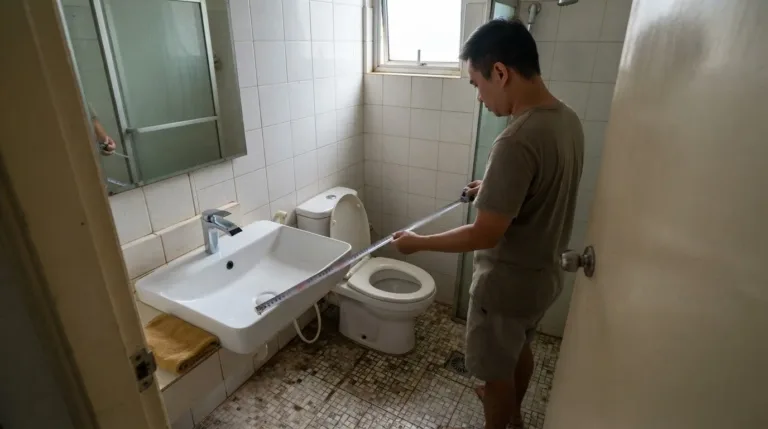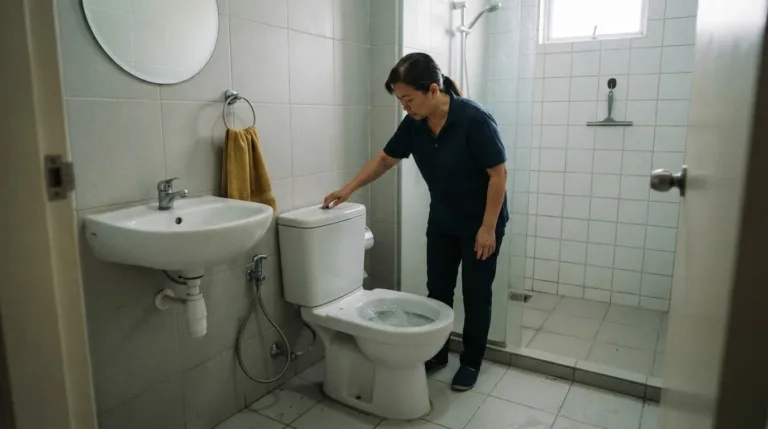
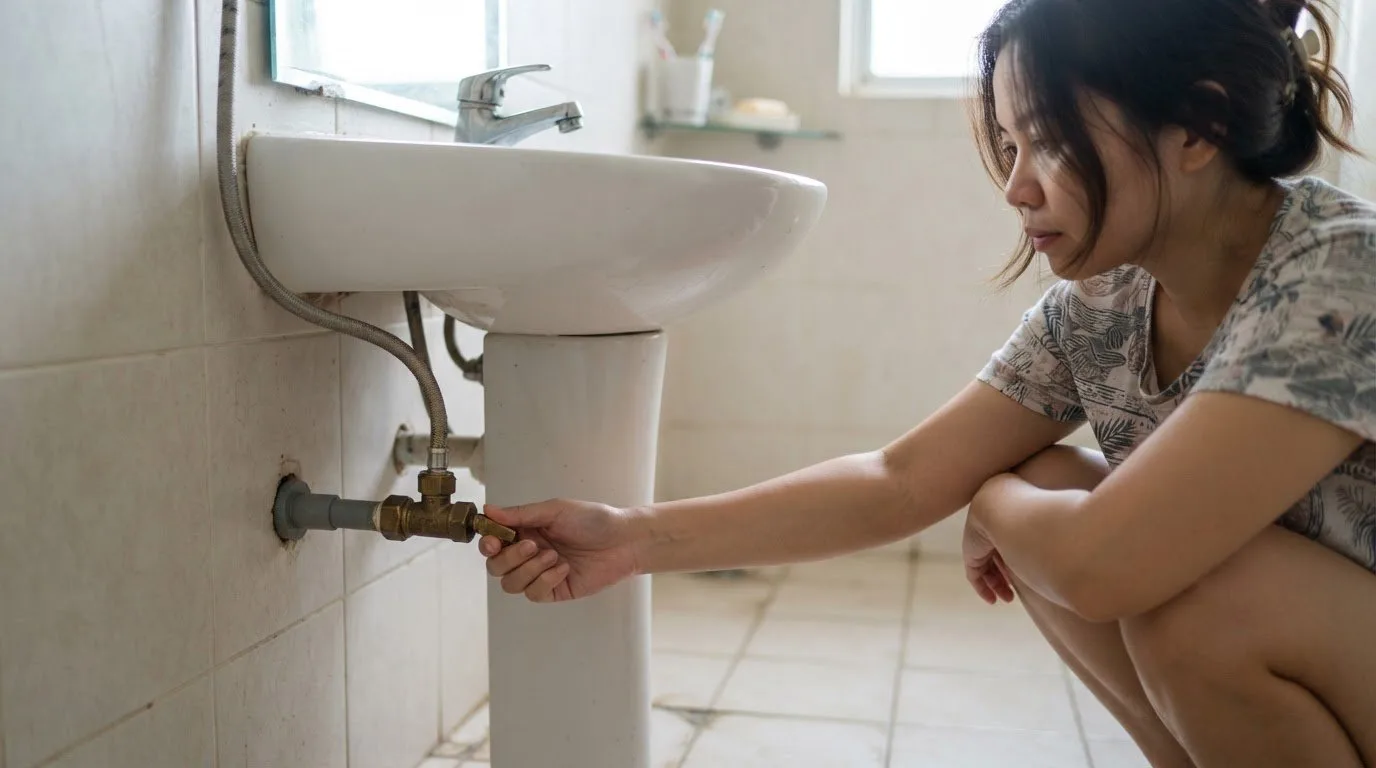
A valve code can matter as much as the handle you see. Choose a stopcock valve by matching its material, flow design and connection size to the job; when fully closed, it’s designed to stop liquid or gas flow. A ball design closes with a 90-degree handle turn, while other designs suit different flow-control needs.
It’s easy to focus on visible features and miss the details that distinguish one stopcock valve from another. This guide explains common materials, including brass, and what construction, flow paths, sizes and product codes can tell you. You’ll also learn how one-, two- and three-way designs differ, so you can read product descriptions with more confidence and narrow down the features that suit your application.
Key Takeaways
- Match the valve material to its application, and understand why brass is commonly used for water-service shut-off points.
- Assess heavy-duty options by the demands of the system and the valve’s intended use, not by appearance alone.
- Choose a flow design that suits the task: shut-off and routing differ from precise flow adjustment.
- Read product codes alongside connection size and design details to narrow down a suitable option.
- Compare one-, two- and three-way layouts to understand how each directs flow through a system.
Brass stop cocks
Brass stopcocks are used on water-service lines, including property branches and supply entry points. Their material and product markings can help distinguish a specific model from other valve designs.
Brass Stopcock Basics
A brass stopcock is a shut-off fitting with a brass valve body. The material identifies one part of the fitting, but does not by itself describe its flow design, connection size or product standard. A brass-bodied model may use a handle-operated mechanism, so read the full product description rather than relying on material alone. For example, “brass” and “T handle” describe different details.
Locating the Main Water Stopcock
In a Malaysian home, the main water stopcock is usually near where the supply enters the dwelling or unit, or where a water main branches to the property. Its precise position depends on the layout. Knowing which valve controls the supply helps distinguish it from smaller valves serving individual fixtures. For example, a valve near a water closet may control only that fixture, not the whole dwelling.
Water-service stopcocks are often installed at two points: where the main branches to a property, and where the supply enters a dwelling or unit. These locations serve different parts of the supply route. A valve at the property branch can isolate that property, while an entry-point valve is where water enters the dwelling or unit. Identify the intended control point before treating a valve as the main shut-off.
Product wording can combine material, handle style and model identity. One listed example is CITY ART.122A C.P ‘T’ Handle B.S Stop Cock, which is listed as complying with BS EN 1213-2000. The code and standard refer to the named product listing; they do not replace checking the connection and intended use stated for a particular model. Keep the full name together when identifying it.
A stopcock is designed to stop liquid or gas flow completely when fully closed. That differs from adjusting flow by leaving the valve partly open. Plug stopcock valves are used where low cost and reliable operation are important. For water-service applications, the product’s stated design and use matter more than the word “brass” alone. The body material does not establish whether a valve suits every line or connection.
Use these details to read a brass stopcock description:
- Material: identifies the stated body material, such as brass.
- Handle: identifies the operating style, such as the T handle in the CITY ART.122A C.P listing.
- Product identity: preserves the model wording and its stated standard.
- Location: separates a property branch valve from a dwelling-entry valve.
These distinctions help you identify the main supply control and understand what a product listing actually describes.
Heavy-duty stop cocks
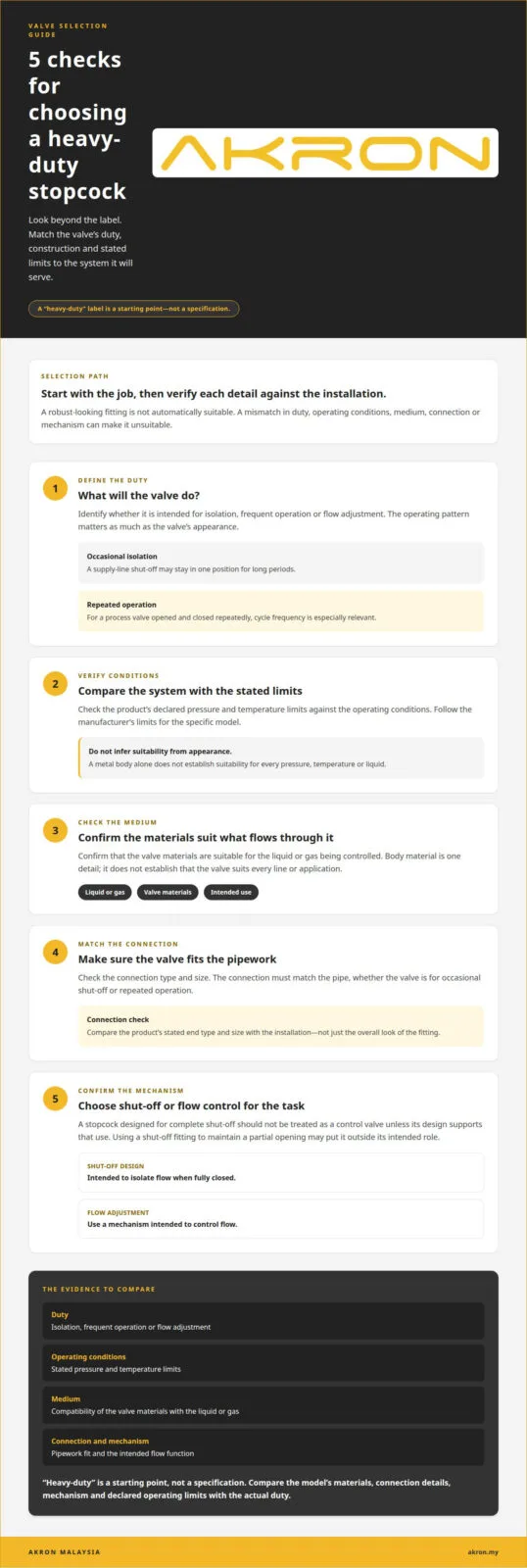
“Heavy-duty” suggests a demanding application, but the label alone does not define a valve’s limits. Match the product’s stated construction and operating conditions to the system it will serve.
Start with the job. A valve used for occasional isolation has a different duty pattern from one operated frequently or kept under steady system pressure. For example, a supply-line shut-off may stay in one position for long periods, while a process valve may be opened and closed repeatedly. These situations call for different questions about operation, not assumptions based on the label.
Read the product details together. Body material, internal mechanism, connection type and stated operating range each describe a different part of the choice. A metal body alone does not establish suitability for every pressure, temperature or liquid. Similarly, a large handle does not prove that the internal parts are designed for repeated operation. Follow the manufacturer’s stated limits for the specific model.
For a practical comparison, consider two installations. One needs a valve for occasional shut-off on a fixed supply line. Another requires repeated operation as part of a process. In the second case, cycle frequency is especially relevant. For both, the connection must match the pipe, and the valve must suit the medium and operating conditions. A mismatch in any one detail can make an otherwise robust-looking fitting unsuitable.
Check these details in the product description or technical data:
- Duty: identify whether the valve is for isolation, frequent operation or flow adjustment.
- Operating conditions: compare the stated pressure and temperature limits with the system.
- Medium: confirm that the valve materials suit the liquid or gas being controlled.
- Connection: match the end type and size to the pipework.
- Mechanism: distinguish a shut-off design from one intended to control flow.
These checks help distinguish a suitable model from one that merely looks substantial. A stopcock intended for complete shut-off should not be treated as a control valve unless its design supports that use. For example, using a shut-off fitting to maintain a partial opening may put it outside its intended role. Choose the mechanism for the task, then compare its stated limits with the installation.
“Heavy-duty” is a starting point, not a specification. The useful evidence is in the model’s materials, connection details, mechanism and declared operating limits. Compare those details with the actual duty before choosing a valve for a demanding installation.
One-, two- and three-way designs
The number of ways describes the available flow connections and routing, not the valve material. Match the port layout to the paths the system needs to open, close or redirect.
Two-Way Stopcock Design
A two-way design connects two ports, creating a passage between an inlet and an outlet. Its purpose is straightforward: open the route for flow or close it for shut-off. This layout suits a line with one supply path and one destination. Confirm which port connects to each side, especially if the installation depends on a specific direction.
For example, a simple line between a supply and a single appliance needs a direct connection, not a branching route. Closing the valve interrupts the passage; opening it restores the connection. This differs from using a valve to select between separate destinations. Port count describes the layout, but the internal mechanism determines how the passage opens and closes.
Three-Way Stopcock Design
A three-way design connects three ports, allowing flow to move between different paths. It is useful where one connection must serve alternative routes or functions. In Schlenk lines, a three-way stopcock can allow inert gas and vacuum to be applied through the same stopcock, illustrating its routing role.
Three ports do not mean every port stays open in every handle position. The internal passage and handle position determine which connections communicate. Read the product diagram or markings to understand the available routes. A layout that selects one path differs from one designed to connect paths, so the diagram provides more information than port count alone.
Take care with one-way wording. It can describe directional flow, while one-, two- and three-way labels often describe ports or routes. These terms answer different questions: direction concerns which way fluid may travel, while port count describes the available connections. For instance, a directional valve in a single line is not automatically equivalent to a multiport stopcock.
Use the system layout to decide what the design must do:
- Direct connection: choose a two-port layout when flow follows one supply-to-outlet path.
- Route selection: consider a three-port layout when flow must reach alternative paths.
- Directional control: distinguish a one-way flow requirement from the number of valve ports.
- Special applications: use the stated diagram and purpose, as with inert gas and vacuum routing in a Schlenk line.
Before identifying a replacement, compare the existing connections with the intended flow route. A matching port count alone does not mean the valve performs the same function. Check which paths connect in each operating position, then choose a design that matches the system’s routing needs.
Diaphragm stopcock valves are used in pharmaceutical and food processing industries, and their design prevents fluid contact with metal parts. Consider that design alongside the required flow connections: port count describes routing, while the diaphragm design prevents fluid contact with metal parts. The product description should account for both the system’s path requirements and the valve’s stated design.
Valve sizes and product codes
Choose by connection, flow function and model details, not by code alone. A product code identifies a listing, while connection size determines whether it fits the pipework.
How does a stopcock differ from gate and ball valves? A stopcock is designed to stop flow when fully closed; a gate valve uses a gate, while a ball valve closes through a rotating ball. A ball stopcock closes when its handle turns 90 degrees.
Do Malaysian plumbing rules require an accessible main stopcock? Keep the main shut-off accessible as a practical measure. This guidance does not establish a specific nationwide legal requirement or location.
How can you tell whether a stopcock is open or closed? Check its handle position and any markings. On a ball design, the 90-degree turn indicates movement between open and closed positions; other mechanisms may use different indicators.
How do you turn one off and on safely? Identify the correct valve, then turn its handle gently without forcing it. Reopen it gradually and watch the connected pipework for leaks.
What types and sizes are used in Malaysia? Designs include brass water-service stopcocks and ball, plug, needle or diaphragm types for different functions. Size depends on the pipe connection and model, so match the stated connection details rather than assuming one standard size.
Product codes can combine a model name, handle style and standard reference. For example, CITY ART.122A C.P ‘T’ Handle B.S Stop Cock is listed as complying with BS EN 1213-2000. Preserve the full identifier when comparing listings, since a partial code can point to a different model.
How can you address a leaking, stuck or seized valve? Don’t force a stuck handle, as this can damage the fitting or connected pipework. A leak or failed shut-off may require repair or replacement suited to the valve’s design and connection.
When should you replace one, and what are the warning signs? Consider replacement if the valve leaks, resists normal operation or fails to stop flow when closed. These signs affect its core purpose and should not be dismissed just because the body looks intact.
What risks come with replacement? Water may escape from a pressurised line if the supply is not isolated, creating a risk of leaks or water damage. Identify the correct isolation point before work, and avoid disturbing pipework if the supply cannot be controlled.
For a replacement match, compare the full code, connection details and intended function. If you’re also planning bathroom updates, explore bathroom product options.
Akron Malaysia
Akron Malaysia helps you bring practical bathroom choices together as you consider how your water supply and fixtures work as a system. Its range includes Water Closets, Wash Basins, Faucets and Showers, giving you options for a bathroom refresh or planned update.
Use what you’ve learned about stopcock function, flow routes and product codes to understand the water-control side of your project. Then consider which fixtures suit your space and how you use it. Akron Malaysia’s bathroom products are a natural next step as you plan those choices.
For help with your bathroom product enquiry, contact Akron Malaysia.
Plan Your Next Bathroom Update
As you move from understanding a stopcock valve to planning a bathroom project, keep the two decisions connected but distinct. Valve choice depends on the pipework and flow function; fixture choice should suit the room and how your household uses it. Considering both helps you plan a practical, coordinated space without treating a fixture as part of the valve specification.
Akron Malaysia offers Water Closets, Wash Basins and Faucets for bathroom planning. Consider which fixtures fit your needs, then explore how they can work together in a comfortable, functional room. Clarifying your priorities makes it easier to focus your product enquiry.
Contact Akron Malaysia about bathroom products and take the next step toward a space that feels right for your home.
Frequently Asked Questions
What is a stopcock valve and how does it work?
A stopcock valve is a fitting that controls flow through a pipe, usually by opening or closing an internal passage. Turning its handle moves the closing mechanism: a ball or plug can block the passage when shut. For example, closing a supply-line valve can stop water moving beyond that point. The exact handle movement and flow behaviour depend on the valve’s design, so use its markings or product instructions to identify its operating positions.