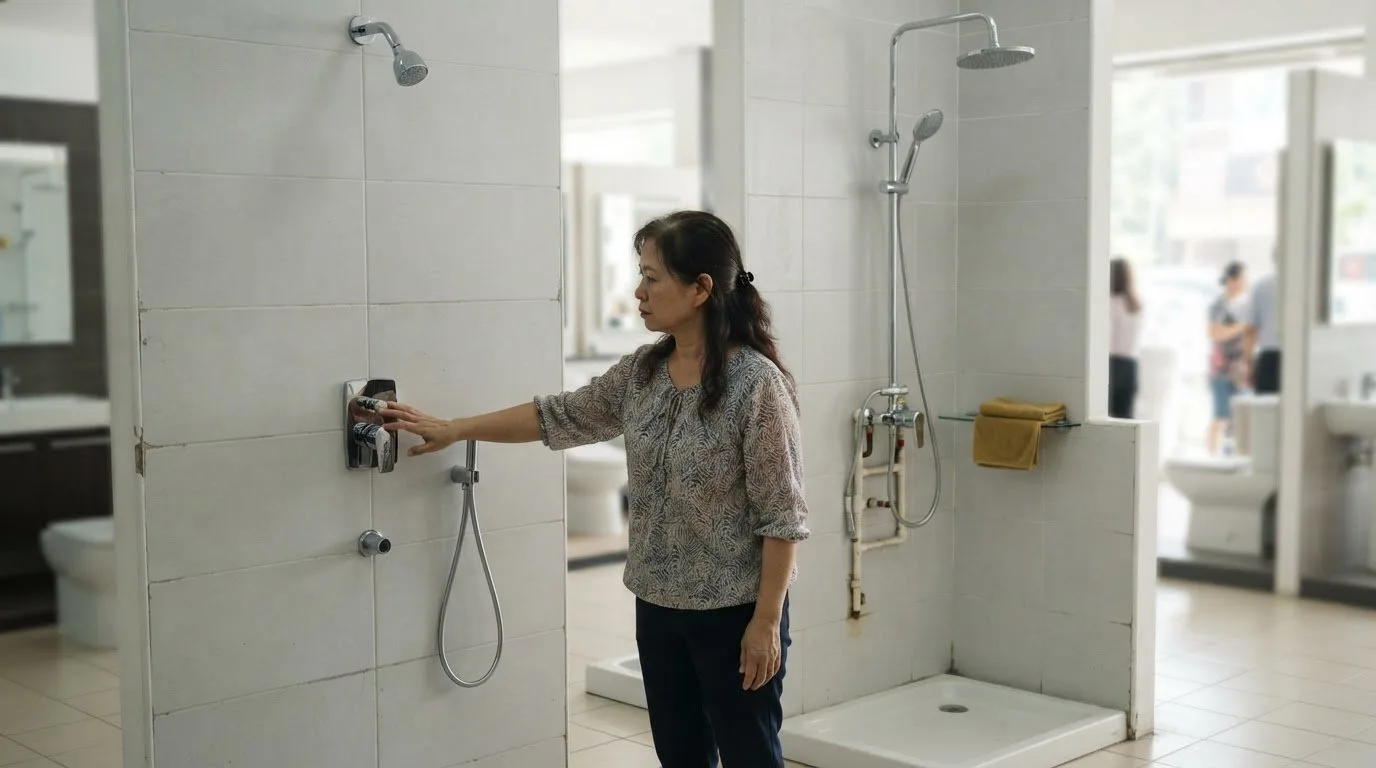
A concealed shower mixer isn’t automatically the right choice for every bathroom. In the concealed shower mixer vs exposed comparison, concealed mixers suit a minimalist look, with pipework hidden behind the wall and only the controls and showerhead on display. Exposed mixers keep the mixer body and connections visible, making them a natural fit when the fixtures are part of the bathroom’s style.
It’s easy to focus on appearance when planning a bathroom that feels like your own. But the choice also affects how much of the shower is visible and how easily its parts can be accessed. Both options can work well when they suit your space and design preferences.
This guide explains how concealed and exposed mixers differ in appearance, how each can complement modern or traditional bathroom styles, and what to consider before deciding. You’ll have a practical way to choose a shower that suits your bathroom without overlooking everyday considerations.
Key Takeaways
- Choose a concealed mixer for a more streamlined look, but consider how its hidden pipework affects installation and future access.
- An exposed mixer keeps its components visible, which can suit a traditional bathroom and make parts easier to reach.
- Plan concealed fittings alongside the wall and tile work to reduce the risk of disturbing finished surfaces.
- Match the mixer’s visible design to your bathroom style, whether you prefer a clean, minimal finish or a more traditional look.
- Use the layout and practical needs of your bathroom to decide which option feels right for everyday use.
Concealed Shower VS Exposed Shower – Which is Better?
For a clean, pared-back finish, a concealed shower hides its pipework inside the wall, leaving only the controls and showerhead visible. An exposed shower shows its mixer body, connections, and pipework, making them part of the bathroom’s look. Choosing between a concealed shower mixer and an exposed one means balancing appearance with installation, access, and upkeep.
Tile work is the main renovation consideration. A concealed valve and its pipes sit behind the finished surface, so the system is generally fitted before tiling. Cutting into a completed tiled wall to add or repair concealed components can damage tiles and disturb the surrounding finish. The valve also needs a suitable recess: a concealed mixer typically needs 75-100 mm of wall depth. Correct placement and serviceable trim can help make some valve repairs accessible from the front, but access depends on the design and installation.
An exposed set avoids hiding its main components in the wall. It can be fitted over existing tiles with minimal fuss, and installation typically involves less wall work. A set can often replace an existing unit within the same day. Since the mixer and connections remain visible, they’re generally easier to inspect and reach for repairs. The trade-off is a more prominent profile: an exposed unit can protrude 10 cm or more into the shower enclosure.
Daily care differs, too. A concealed setup has fewer external surfaces to wipe, while an exposed mixer has more visible parts and joins where grime can collect. Consider the shower’s layout as well as its finish. In a compact enclosure, an exposed unit may project into usable space; concealed fittings keep more of the wall visually clear.
| Option | Appearance | Installation | Access and upkeep |
|---|---|---|---|
| Concealed | Controls and showerhead visible; pipework hidden | Plan before tiling; needs 75-100 mm wall depth | Fewer exposed surfaces; repairs depend on valve access |
| Exposed | Mixer body, connections and pipework visible | Can fit over existing tiles with minimal wall work | Parts are easier to inspect; more surfaces to clean |
Choose concealed fittings if a streamlined look and clear wall space matter most, and your renovation can accommodate concealed pipework. Choose exposed fittings if you want a visible fixture, easier access, or a shower update over existing tiles.
Concealed shower appearance and minimalist design
A concealed shower suits a minimalist scheme by keeping the wall’s main lines clear. The visible controls and showerhead become deliberate design features, while the pipework stays out of sight. This can make a compact bathroom feel visually calmer, though it doesn’t change the room’s actual dimensions. Simple tile patterns can reinforce the uncluttered effect.
Minimalist doesn’t have to mean stark or cold. For a softer look, combine concealed fittings with warm-toned tiles, natural textures, or rounded shapes elsewhere in the room. A simple control plate can sit quietly against a large-format tile, while a sculptural showerhead adds a focal point. Coordinating the visible elements gives the wall a considered finish.
Concealed designs suit more than one era. Contemporary bathrooms often use clean shapes and restrained details, while traditional schemes can feature classic-looking controls and showerheads. The hidden pipework works with either direction; the visible fittings, tile choice, and surrounding details set the mood. For example, traditional-style controls can complement patterned tiles without leaving the plumbing on display.
Exposed showers offer a different design opportunity: the mixer body, connections, and pipework become part of the composition. Their visible form can suit a traditional bathroom, an older characterful interior, or a modern scheme that celebrates functional details. Choose a finish and shape that relate to other visible fittings, such as basin faucets, rather than treating the shower as a separate feature.
There’s no single look for an exposed shower. Straight, simple lines can feel contemporary, while rounded forms can echo a classic bathroom. A visible riser and showerhead can create a strong vertical line against the tiles. In a smaller room, consider how that outline sits beside shelves, screens, and other fixtures. Aim for a balanced composition, rather than simply hiding every component.
Use these design cues to narrow your choice:
- Choose concealed styling for a quieter wall, coordinated tilework, and a minimalist mood.
- Choose exposed styling if visible plumbing can contribute character or reinforce a traditional look.
- Coordinate finishes with nearby fittings and tile tones to make either option feel intentional.
A mood board with tile samples and faucet finishes can clarify the contrast before renovation begins. Browse bathroom design options for visual inspiration and consider which shapes and finishes suit your planned scheme.

Differences in appearance and bathroom style
A bathroom’s style depends on what you want the shower to contribute. Concealed fittings create a quiet, streamlined wall, while an exposed mixer makes valves and pipework visible design elements. In a minimalist scheme, the cleaner outline can complement plain tiles and simple shapes. In a traditional bathroom, a visible shower set can add character and complement other prominent fixtures.
Room size can shape the decision, too. Concealed showers are often recommended for smaller bathrooms because fewer fittings project into the shower area. The open wall can make a compact layout feel less visually busy, though it doesn’t increase floor space. In a 900 mm x 900 mm enclosure, the arrangement of the controls, showerhead, and screen matters as much as the finish.
Think about your daily route through the bathroom. A visible valve can be easier to reach and inspect, but its position may affect movement in a tight enclosure. Concealed controls keep the wall clearer, but should still be easy to reach. For example, placing controls near the shower entrance lets you turn on the water before stepping beneath the spray.
Cleaning and future maintenance also affect the overall experience. Concealed fittings leave fewer external surfaces to wipe, which can simplify routine cleaning around the shower wall. However, hidden valves and pipework can make some repairs more involved. Depending on the trim and installation, accessing internal parts may require work around tiles or waterproofing, increasing labour and disruption.
Exposed showers keep their components accessible, which can make inspection and repair more straightforward. Their extra surfaces and joins need regular wiping, and grime or mould can gather around them. Leaks in concealed systems can also be harder to spot early. The likely maintenance burden depends on how components are installed, how easily valves can be serviced, and whether a leak is visible.
Use these practical checks to compare the options for your bathroom:
- For a smaller enclosure: Consider concealed fittings when a less crowded visual layout matters.
- For a traditional scheme: Treat exposed pipework and valves as part of the room’s character.
- For simpler access: Consider how visible components can make inspection and repairs easier.
- For a calm wall design: Choose concealed fittings, while planning valve access and maintenance.
There isn’t one style that suits every bathroom. Match the shower’s visible details to your tiles and fixtures, then weigh its space-saving appearance against access, cleaning, and potential repair disruption.
Definition of concealed and exposed shower mixers
A shower mixer brings hot and cold water together and sends the mixed water to the shower outlet. “Concealed” and “exposed” describe where the mixer body and plumbing sit, not the overall look of the shower. A concealed mixer blends water inside the wall, with controls and outlets visible; an exposed mixer keeps its body and connections outside the wall.
In a concealed setup, the valve sits behind the finished surface, while an external control operates it. Depending on the design, the showerhead may be mounted on the wall or ceiling. The visible trim can be simple or decorative, but the hidden valve and pipework determine how the system connects. For instance, a setup with a rain shower and handheld shower uses outlets routed from the concealed system.
An exposed mixer places the control body and connections on the bathroom wall. The pipes and mixer remain visible, so the installation’s outline becomes part of the room’s appearance. You can see where water enters the mixer and travels to the shower outlet. The practical distinction is simple: concealed components sit behind the wall, while exposed components remain accessible from the room.
Outlet count is separate from whether a mixer is concealed or exposed. A 2-way shower system combines a rain shower and a handheld shower; a 3-way system has multiple outlets. The mixer and plumbing must route water to the intended outlets. Clear routing and enough water pressure matter for multi-function setups, so decide which outlets you want before selecting the configuration.
For Malaysian bathrooms, concealed or exposed describes the mixer’s location, but does not by itself establish compatibility with a water heater or existing plumbing. Compare the mixer’s stated requirements with the heater type, water supply arrangement, pressure, and pipe connections.
Before choosing a mixer in Malaysia, read its written warranty for the duration, covered parts, exclusions, and claim steps. Also check which replacement parts are available for that model and keep its details for future servicing.
- Identify the mixer location: concealed places the valve behind the wall; exposed keeps its body and connections visible.
- Map the outlets: list whether you need one outlet or a combination, such as a rain shower and handheld shower.
- Compare system requirements: match the mixer’s stated connection and pressure requirements to the heater and plumbing.
- Review future support: understand the warranty terms and identify replacement parts for the chosen model.
Start with the plumbing layout and intended outlets, then consider how much hardware you want visible. A concealed mixer gives the wall a quieter finish; an exposed mixer makes its working components part of the bathroom’s design.
Akron Malaysia: Shower
Akron Malaysia offers showers for homeowners planning a bathroom refresh or a new look. Once you’ve decided whether concealed or exposed fittings suit your layout, consider how the shower will work with your chosen style and the bathroom’s other fixtures. Akron Malaysia also offers water closets, wash basins, and faucets to help you plan a coordinated bathroom.
Explore the shower options as you shape a practical, personal bathroom. For a next step, contact Akron Malaysia to discuss your bathroom choices.
Shape a Bathroom That Works for You
Let your bathroom’s finished look guide your next choices. The concealed shower mixer versus exposed mixer decision can set the visual direction for nearby fixtures, from the basin area to the overall feel of the room. Consider how each piece works with the others instead of choosing the shower in isolation.
Akron Malaysia offers Water Closets, Wash Basins, and Faucets alongside showers, giving you options to consider when planning a coordinated space. Keep your preferred style and everyday needs in view as you create a bathroom that feels personal and practical.
Contact Akron Malaysia to discuss your bathroom plans, and take the next step toward a space that feels right for you.
Frequently Asked Questions
Which One Is Easier to Clean Day to Day?
A concealed mixer is usually easier to wipe because fewer parts sit outside the wall. You’ll still need to clean the controls, showerhead, and surrounding tiles. An exposed mixer has more visible surfaces and joints, so include these in your regular bathroom cleaning. For example, wiping around its connections helps prevent soap residue from building up in less accessible corners.
Which One Is Easier to Maintain And Repair Over Time?
An exposed mixer is generally simpler to inspect because its components are visible and reachable. That can make it easier to spot a loose connection or leak near the mixer. Concealed mixers can also be serviced from the front when their trim and valve setup allow access. Keep the product’s model details and maintenance information together so the correct parts can be identified if repairs are needed.
What is the difference between a concealed and exposed shower mixer?
The difference between a concealed shower mixer and an exposed mixer is where the water-mixing valve sits. In a concealed setup, the valve is installed inside the wall, leaving controls and outlets visible. In an exposed setup, the mixer body and connections remain on the bathroom wall. Both mix the water before it reaches the shower outlet; the installation layout and visible appearance set them apart.
What are the pros and cons of concealed shower mixers?
Concealed mixers offer a streamlined appearance and fewer external surfaces to clean. They can also leave more visual space around the shower area. Their main drawback is the extra planning required before the wall finishes are complete. For example, the valve’s position and depth must suit the finished tile line. Poor access planning can make future repairs more disruptive than servicing visible components.
What are the pros and cons of exposed shower mixers?
Exposed mixers are usually easier to install and access, making them a practical option for updating a finished bathroom. Their visible pipework and mixer body can suit traditional or characterful interiors. The trade-offs are a more prominent appearance and extra surfaces to clean. In a tight shower enclosure, the projecting unit may also affect how freely you can move.
How much do concealed and exposed shower mixers cost in Malaysia?
Concealed shower sets are typically more expensive than comparable exposed sets, while exposed installations usually involve lower labour costs. The total depends on the selected set and the work required for the existing bathroom. Concealed plumbing may require wall preparation and tile work, while exposed fittings can often use the finished wall. Compare the complete product and installation scope, not just the mixer alone.