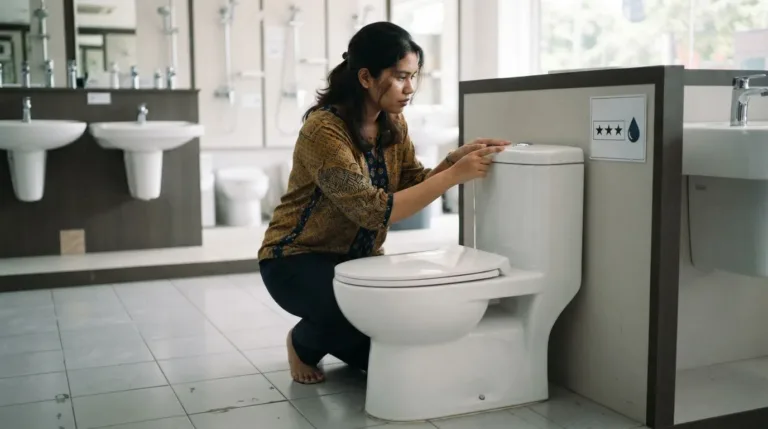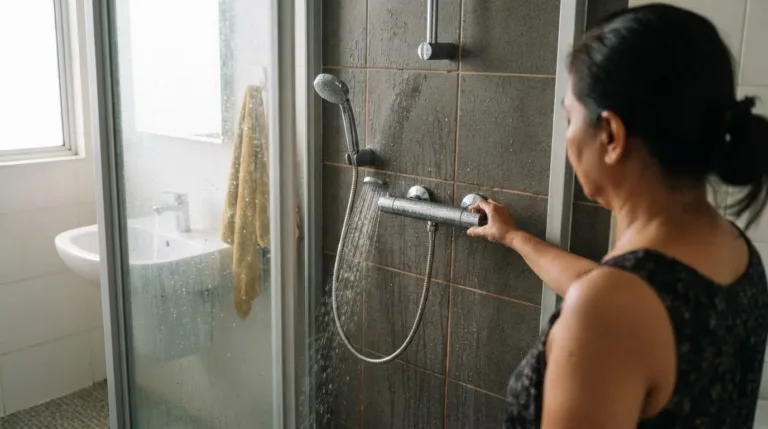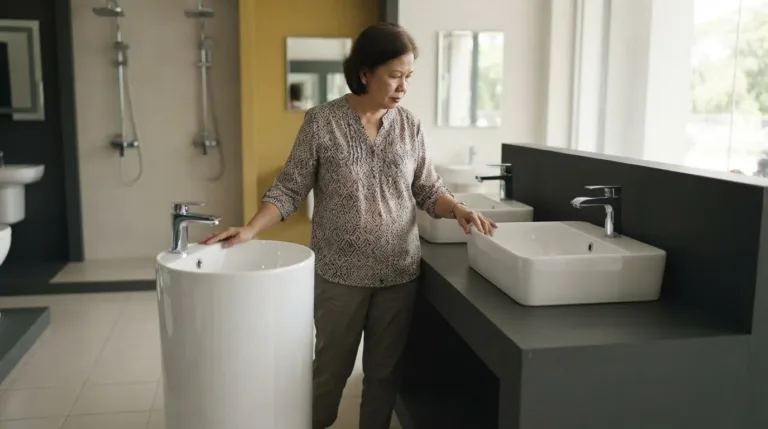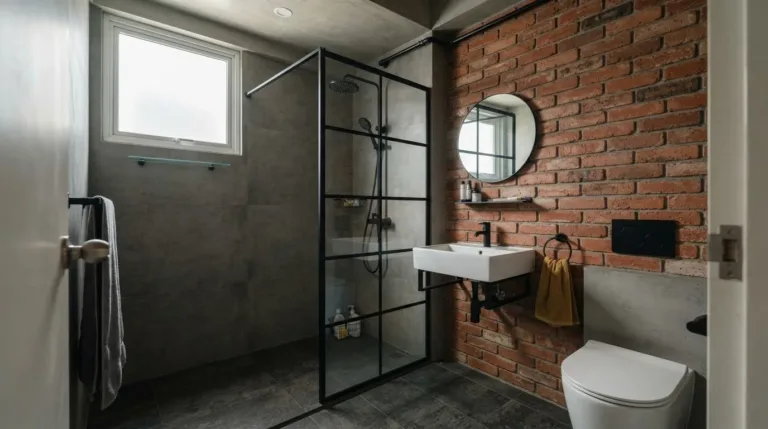
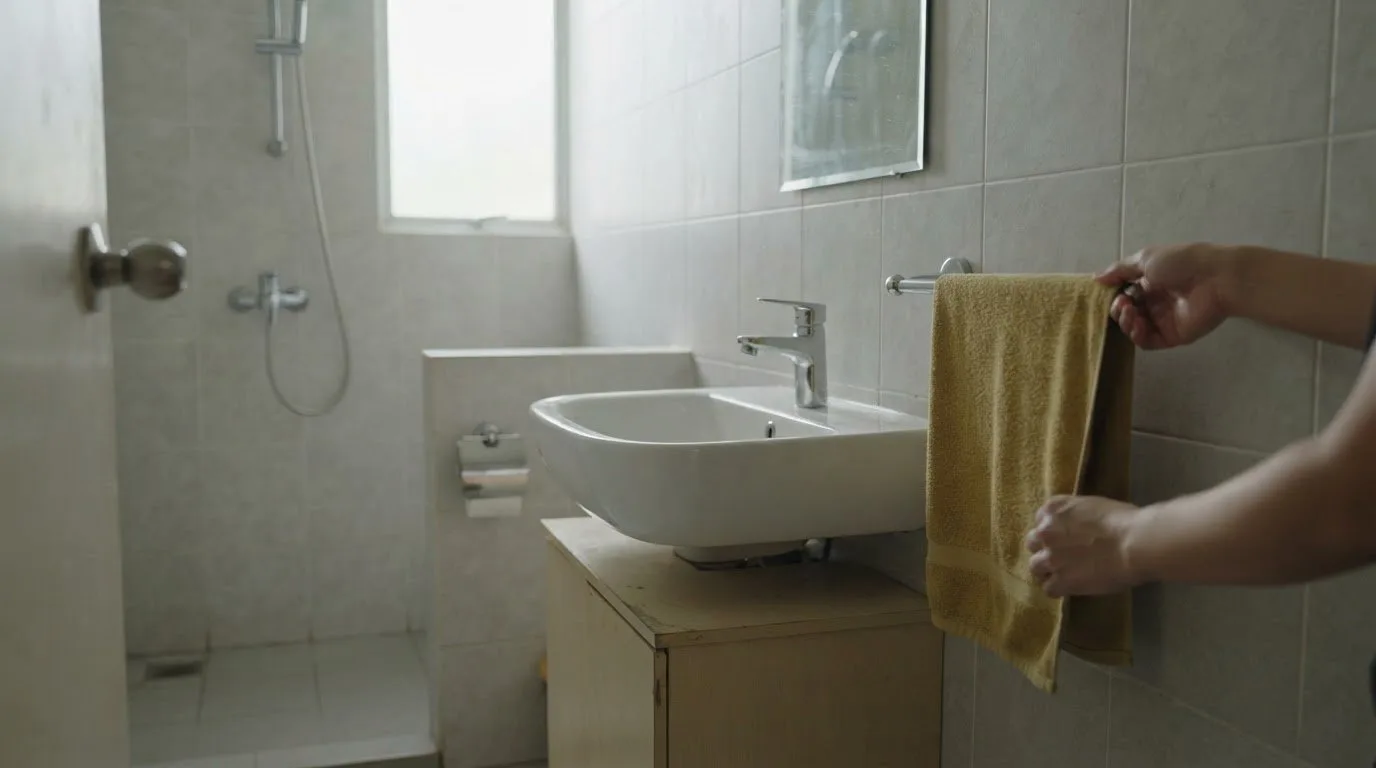
A cohesive bathroom doesn’t require every fixture to look identical. Matching faucets and accessories work best when their finishes and overall styles feel connected, even if each piece has its own shape or detail. This makes it easier to create a polished room without making it feel overly coordinated.
The faucet draws attention at the basin, while details such as towel bars, robe hooks and toilet paper holders help complete the space. The key is deciding what to repeat, where a contrasting finish can add character, and how to keep each choice in proportion to the room. This guide explains how to coordinate a faucet with the basin, shower and surrounding hardware, choose accessories that suit your style, balance colours and textures, and select faucet proportions that work with the sink. Use these principles for a full refresh or to refine a few details in an existing bathroom.
Key Takeaways
- Build a cohesive look by connecting faucet finishes and styles with the sink, shower and other visible hardware.
- Choose towel bars, robe hooks and toilet paper holders that suit the bathroom’s overall style and everyday layout.
- Use colour, texture and proportion to make contrasting finishes feel intentional rather than cluttered.
- Match faucet height and reach to the sink’s size and depth for a more comfortable, balanced fit.
1. Coordinating faucets with sinks, showers and cabinet hardware
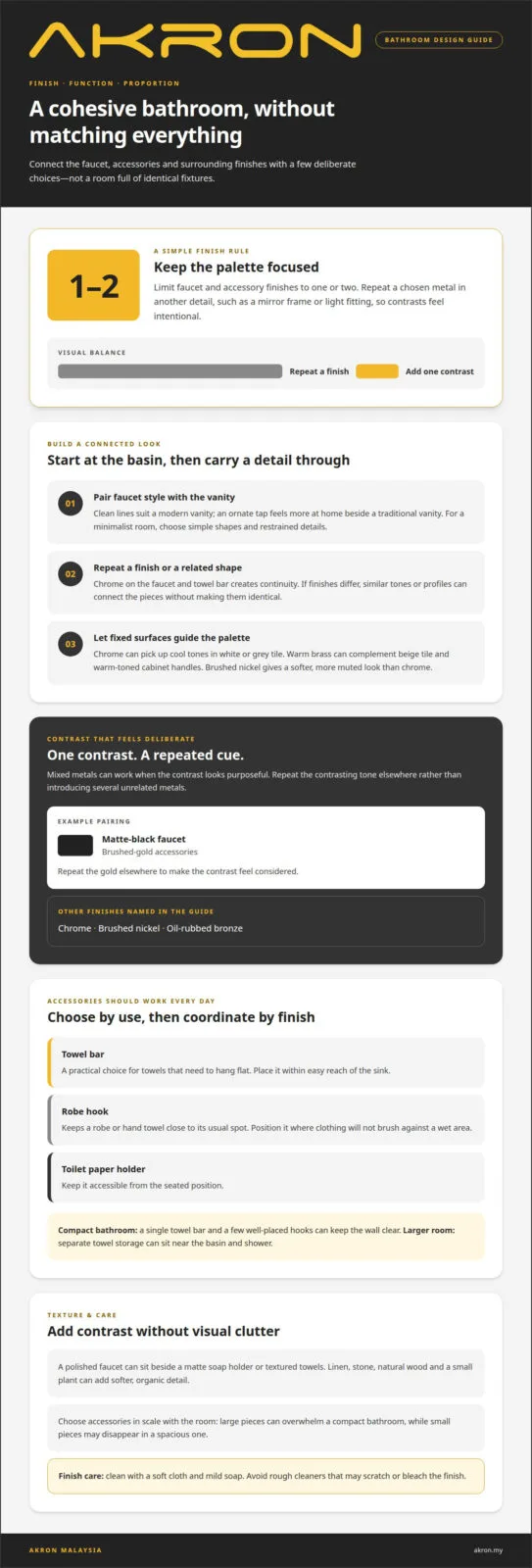
Start with the basin and faucet, then carry one visual detail across the shower and hardware. A sleek faucet with clean lines suits a modern vanity, while an ornate tap feels more at home beside a traditional vanity. For a minimalist bathroom, choose simple shapes and restrained details. These choices create a harmonious room without requiring every piece to match exactly.
For towel bars, rings, hooks, toilet paper holders and shower fixtures, repeat a finish or a related shape. Chrome on the faucet and towel bar creates visual continuity, while a similar profile can connect pieces in complementary finishes. Place towel bars within easy reach of the basin, and keep shower hardware visually consistent with the faucet. This makes matching faucets and accessories feel intentional, not like a set of identical parts.
Coordinate the faucet finish with cabinet hardware, lighting and tile undertones. Chrome can pick up cool tones in white or grey tile, while warm brass details can complement beige tiles and warm-toned cabinet handles. Brushed nickel offers a softer, more muted look than chrome. Keep the overall palette focused, then repeat the chosen metal in a mirror frame or light fitting.
Mixed-metal designs can work well when the contrast looks purposeful. Pair a matte-black faucet with brushed-gold accessories, for example, and repeat the gold elsewhere instead of introducing several unrelated metals. Chrome, brushed nickel and oil-rubbed bronze are popular faucet finishes, and each can guide the choice of nearby hardware. Aim for a balanced relationship, not a perfect match across every surface.
Choose finishes that suit your cleaning routine. Surface deposits can affect appearance, so clean faucet finishes with a soft cloth and mild soap. Avoid rough cleaners that may scratch or bleach them. For a bathroom refresh, consider how a new faucet and accessories will sit alongside the water closet, basin and shower, keeping both style and everyday use in mind.
In Malaysia, look for coordinated faucets and bathroom accessories through bathroom fixture retailers and local dealers. Warranty terms depend on the product, so review the written coverage for the specific item. To explore coordinated options, browse bathroom fixture products.
2. Selecting towel bars, robe hooks and toilet paper holders
Choose accessories based on how you use the bathroom, then align their shapes and finishes. A towel bar suits towels that need to hang flat, while a robe hook keeps a robe or hand towel close to its usual spot. Place the toilet paper holder within comfortable reach of the toilet. These practical choices keep hardware useful, not merely decorative.
Look at the basin, faucet and cabinet handles before selecting smaller fixtures. A brushed nickel faucet, for example, can pair with brushed nickel towel bars and a matching toilet paper holder. Repeat the finish on robe hooks or cabinet handles to connect separate areas. If the exact finish differs, choose similar tones and shapes so the pieces complement rather than compete with one another.
Placement matters as much as appearance. Set towel bars within easy reach of the sink, and position robe hooks where clothing won’t brush against a wet area. Keep toilet paper accessible from the seated position. In a compact bathroom, a single towel bar and a few well-placed hooks can keep the wall clear. A larger room can accommodate separate towel storage near the basin and shower.
Lighting can support the same design direction. Pair clean-lined faucets and hardware with simple lighting, such as a pared-back wall fitting. A vintage-style faucet can sit comfortably beside classic lighting and an old-fashioned mirror. Repeat one metal finish across the light fitting, faucet and cabinet handles, or use a related tone for deliberate contrast. Let tile colours provide a calmer background when metal details already draw attention.
Separate decorative choices from plumbing decisions. Towel bars, robe hooks and toilet paper holders don’t connect to water lines, but faucets and other plumbing fixtures may involve water connections. If a project changes plumbing fixtures, account for applicable local plumbing requirements and the existing installation layout. A decorative finish alone doesn’t determine whether a plumbing change meets relevant requirements.
For a budget-led refresh, decide which items need replacing first. Keep a working towel bar or cabinet handles if they suit the new faucet, then focus spending on pieces that look worn or disrupt the colour scheme. Choose a consistent finish across essential accessories before adding decorative extras. This creates a coordinated result without requiring every fixture to be replaced at once.
For a cohesive update, consider your bathroom accessories alongside the fixtures already in the room.
3. Balancing finishes, colours, textures, and proportions
Begin with the bathroom’s fixed surfaces, such as floor tiles, wall tiles and vanity material. White, beige and grey offer calm backgrounds for stronger fixture finishes. Limit faucet and accessory finishes to one or two so the room doesn’t feel visually crowded. A neutral tiled bathroom, for example, can carry a bold metal finish without competing with busy patterns. Let the tile colour guide your selection rather than adding another prominent shade.
Next, balance smooth and tactile surfaces. A polished faucet can sit beside a matte soap holder or textured towels, creating contrast without introducing another dominant colour. Linen towels and a stone soap plate add softness and natural texture around a basin. Plants, natural wood and stone can also bring organic detail into a bathroom. Use these materials as measured accents, such as a small plant or wooden shelf, rather than repeating every texture across the room.
Proportion keeps details in scale. Large accessories can overwhelm a compact bathroom, while small pieces may disappear in a spacious one. In a narrow room, choose a modest mirror frame and compact countertop accessories. In a larger bathroom, a broad mirror or more substantial soap dish can hold its own beside a generous vanity. Consider visible wall and counter space together, leaving room for everyday use.
Shape creates another useful connection. A round or oval mirror can complement antique-style taps, while a square or frameless mirror suits clean lines and modern fixtures. Repeat a shape subtly through a soap dish, mirror frame or cabinet detail. Avoid giving every item the same outline. A few related forms create rhythm, while identical shapes throughout can make the design feel overly planned.
For a stronger design direction, choose one focal point and let other surfaces support it. An industrial faucet, for example, can work with a metal soap dispenser and raw wood shelving. Keep the remaining colours restrained so the materials stand out instead of competing. A vintage bathroom can use antique brass or copper details, balanced by quieter tiles and simpler accessories.
Before choosing the final pieces, view the faucet, shower finish, tiles and accessories together in the room’s lighting. A finish can look different beside warm beige tile than beside cool grey tile. Arrange samples or product images near the vanity and shower, then remove any colour or texture that distracts from the focal point. This simple edit helps each element contribute to a polished, harmonious result.
4. Choosing faucet proportions for sink size
Start with the basin’s width, depth and faucet-hole layout. A faucet that looks balanced on a broad wash basin may overwhelm a compact one. A high-arc faucet suits a deep sink, while a low-arc design works well above a shallow basin. The outlet should direct water into the bowl, not toward its edge. This practical fit supports both the design and everyday use.
Next, compare faucet height and reach with the basin. A spout that sits too high can send water splashing, while one that sits too low can restrict handwashing and rinsing. Picture where the water lands, then consider the space needed beneath the spout. For a small sink, choose a compact faucet that doesn’t dominate the basin. The right proportions support both appearance and function.
For a wall-hung vanity with pre-drilled holes, match the faucet configuration to the number of holes. A faucet designed for a different arrangement may not fit the existing surface neatly. Check the product details for the required layout and dimensions before selecting a finish, whether you prefer polished chrome or a brushed surface.
Kitchen sinks need the same proportion check, with extra attention to the bowl’s depth and use. A large kitchen sink usually pairs well with a higher faucet, leaving room to rinse cookware. A small sink can suit a shorter or retractable faucet. Consider the water outlet’s position as well as the sink’s width. Together, these details help avoid an awkward combination and make routine tasks more comfortable.
Finally, assess how the faucet’s shape and finish relate to nearby accessories. A compact, clean-lined faucet can complement simple hardware, while a taller design may suit a deep basin and more substantial fittings. Brushed finishes look softer than polished surfaces, so coordinate their visual weight with the sink and surrounding materials. The faucet doesn’t need to come from the same manufacturer as other fixtures. Consistent proportions and a considered finish can bring the elements together.
Compare faucet dimensions with your sink before choosing a design. Explore faucet options to find a style that suits your basin.
Where a garbage disposal is installed beside the sink, include it in the proportion check rather than choosing a faucet in isolation. Choose a suitable faucet and accessories by considering the sink’s size and depth and the faucet’s water outlet. For bathroom sinks, relate the faucet arc to basin depth: a high arc pairs well with a deep sink, while a low arc suits a shallow one. A compact faucet is a good fit for a small sink, where it won’t overwhelm the space.
In the kitchen, let the bowl’s scale guide the faucet choice. Large kitchen sinks usually suit higher faucets, which provide room for rinsing. Small kitchen sinks can suit shorter or retractable faucets. Check the height against the sink and its intended use to avoid inconvenience from a faucet that sits too high or too low. Consider the outlet position too, so the faucet works with the basin rather than competing with it.
Akron Malaysia: Faucet
Akron Malaysia offers faucets and bathroom accessories to help bring your design choices together. If you’re selecting a faucet for a wash basin, or coordinating bathroom accessories with the surrounding fixtures, explore options that suit your preferred style and practical needs. Akron Malaysia also offers water closets and showers, so you can consider these fixtures as part of the same bathroom plan. Products are available directly or through local dealers across Malaysia.
Use the guidance above to narrow your choices by finish, shape and basin proportions. Then explore the bathroom product range as you plan your space. For help with your next step, contact Akron Malaysia.
Make Your Bathroom Feel Like Yours
Your next step can be a small, considered choice rather than a full bathroom redesign. Start with the fixture you use most, then let its finish and proportions guide future updates. This gives you room to shape a personal look over time while keeping each addition connected to the space.
Akron Malaysia offers faucets, wash basins and water closets for bathroom planning. Let your preferred style and the needs of your space guide which piece to consider first. Thoughtful matching faucets and accessories can turn practical fixtures into a bathroom that feels distinctly yours.
When you’re ready to discuss your bathroom plans, get in touch with Akron Malaysia. Take the next step at your own pace and create a space that feels welcoming every day.
Frequently Asked Questions
What is the general philosophy behind matching bathroom accessories?
Think coordination, not duplication. The goal of matching faucets and accessories is to make the bathroom feel considered while leaving room for personal touches. Keep the main fixtures visually related, for example, then add a contrasting soap dish or towel colour for character. This works especially well when updating one item at a time, since each new choice can connect with the room without requiring a complete redesign.
What bathroom faucet and accessory finishes match best?
Finishes with similar tones usually coordinate easily, such as chrome with chrome or brushed nickel with other muted metals. For a more individual look, combine contrasting finishes selectively and repeat each one elsewhere in the room. Before deciding, compare samples beside the basin and cabinet hardware under the bathroom’s usual lighting. Nearby colours and light can make a finish appear warmer or cooler.
Should all bathroom faucets and accessories be from the same brand or collection?
No. Pieces from different brands can work together if their finishes, shapes and proportions feel compatible. Treat collection names as a convenience, not a design rule. A faucet and towel holder, for instance, can coordinate through a shared finish even if their outlines differ slightly. For faucets, also consider the basin’s hole arrangement and dimensions, since visual harmony alone doesn’t ensure a good fit.
How much do matching faucet and bathroom accessory sets cost in Malaysia?
The total depends on the faucet and accessories you choose, and whether you’re buying a coordinated group or replacing selected pieces. Akron Malaysia describes its bathroom range as affordable and offers faucets and bathroom accessories, but no price figures are provided here. For a useful estimate, define the items you need first, then compare the total for that specific selection rather than relying on a generic set price.